Introduction
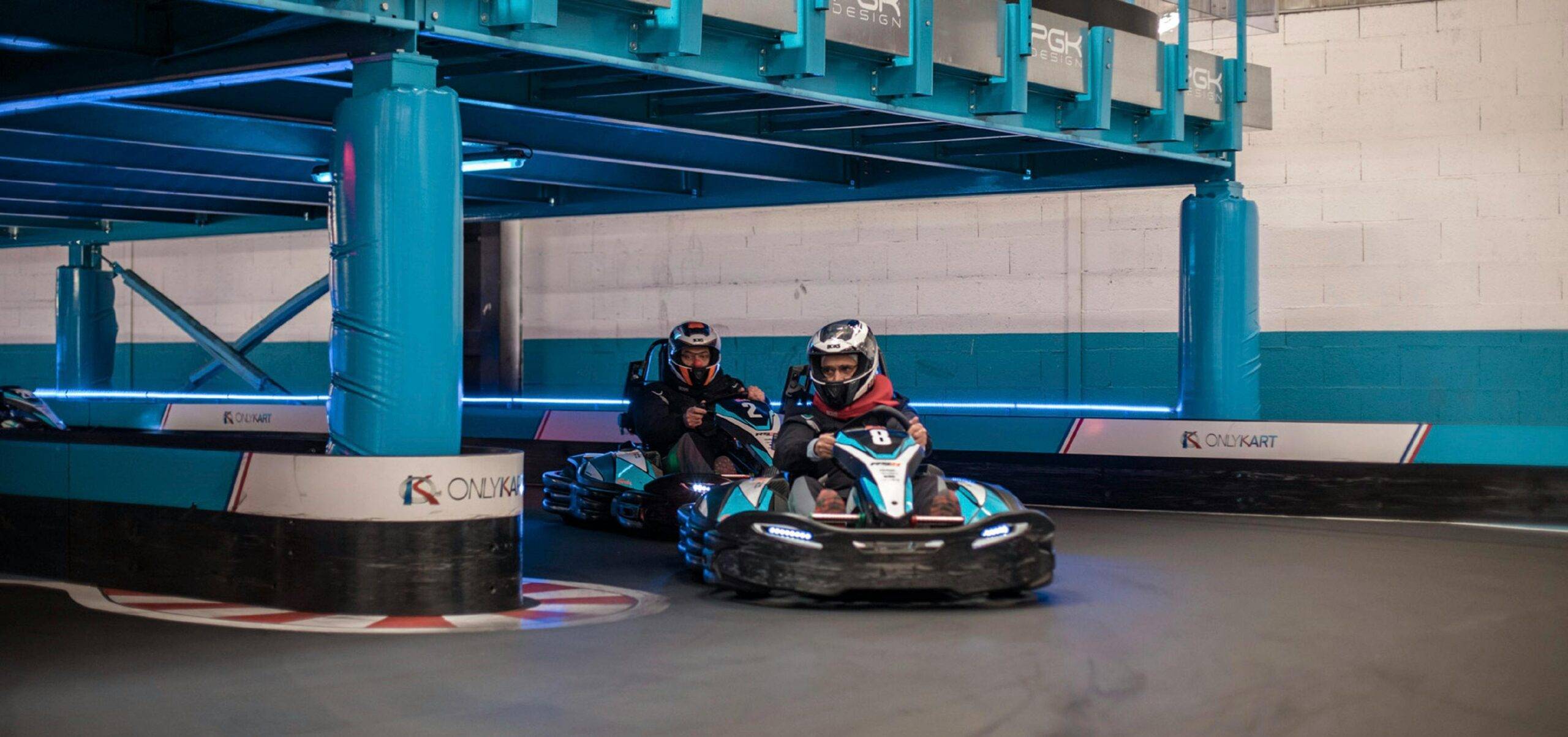
Electric and gas go-karts deliver speed in different ways. Electric karts provide instant torque and consistent performance, while gas karts emphasize engine sound, longer sessions, and classic race feel.
New to karting? Read our Beginner’s First Race Guide before choosing between electric and gas karts.
Acceleration and Top Speed
Electric motors deliver peak torque from zero RPM, which means strong, instant acceleration out of slow corners. Many indoor electric tracks use software to limit top speed for safety and to keep racing close.
Gas karts build power through the rev range. Outdoors, where tracks are longer and straights are faster, gas karts can reach higher top speeds depending on class, gearing, and engine.

Consistency and Power Delivery
Electric karts provide consistent performance throughout a session because power output is electronically managed and not affected by carburetion or temperature in the same way.
Gas performance can vary with tire temperature, fuel mixture, and engine health. Skilled drivers can tune around this, but beginners may notice more variability.

Weight, Handling, and Feel
Battery packs add weight to electric karts, which can change how the kart rotates and how quickly it transitions left-to-right. The extra mass is usually placed low, aiding stability.
Gas karts are typically lighter and can feel more “alive” on entry and mid-corner. The engine’s vibration and sound also contribute to the sensation of speed.

Maintenance and Operating Costs
Electric karts reduce routine maintenance at rental and club level: no engine oil changes, fewer moving parts, and no carburetor tuning. Battery health and charging logistics become the focus.
Gas karts require regular maintenance: spark plugs, oil changes, chain and sprockets, and occasional carburetor service. Consumables can add up but are familiar to most karting mechanics.

Environment and Noise
Electric karts run with minimal local emissions and lower noise, making them ideal for indoor venues and urban locations.
Gas karts are louder and produce exhaust, which is less suitable for indoor venues but adds to the traditional racing atmosphere outdoors.
Comparison at a Glance
| Factor | Electric Karts | Gas Karts |
|---|---|---|
| Acceleration | Instant torque, strong launch | Builds with RPM, tunable |
| Top Speed | Often software-limited indoors | Higher outdoors depending on class |
| Consistency | Very consistent power delivery | Varies with tune, conditions |
| Maintenance | Lower routine maintenance | Regular engine upkeep required |
| Noise/Emissions | Low noise, no local emissions | Loud, exhaust present |
| Driving Feel | Smooth, planted, heavier | Raw, responsive, lighter |
Which Is Faster
On short indoor layouts, electric karts often feel faster because of instant torque and strong exits, even if top speed is capped. On outdoor circuits with longer straights, gas karts in many classes can achieve higher top-end speeds. The fastest option depends on the track length, software limits, engine class, gearing, and driver skill.
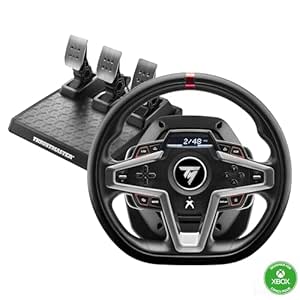
To practice racecraft between track days, see our Best Sim Racing Gear for Beginners guide for at-home training options.
Final Thoughts
Choose electric if you want consistent performance, clean running, and strong acceleration indoors. Choose gas if you prefer classic sound, mechanical feel, and higher speeds outdoors. The best way to decide is to try both on similar layouts and compare lap times and comfort.
FAQ
Q: Are electric go-karts faster than gas go-karts?
A: Electric karts usually accelerate harder due to instant torque, but many indoor venues limit top speed. Gas karts can reach higher top speed outdoors depending on the class and gearing.
Q: Which go-kart type is better for beginners?
A: Electric rentals are beginner-friendly because of consistent power and low noise. Gas rentals and club karts offer a traditional feel and are common on outdoor tracks.
Q: Do electric karts need less maintenance?
A: Yes. Electric karts reduce routine engine maintenance, though battery health and charging logistics are important.
Q: Which is cheaper to run?
A: It depends on the venue and class. Electric venues factor charging and battery costs; gas karts require fuel and more routine engine maintenance. Rental pricing is set by each track.